
A Counterpoint Life
A balanced, multi-layered, artful way of living. On molting at 55, refusing to retire, and weaving learning, teaching, and contributing into a single integrated life.
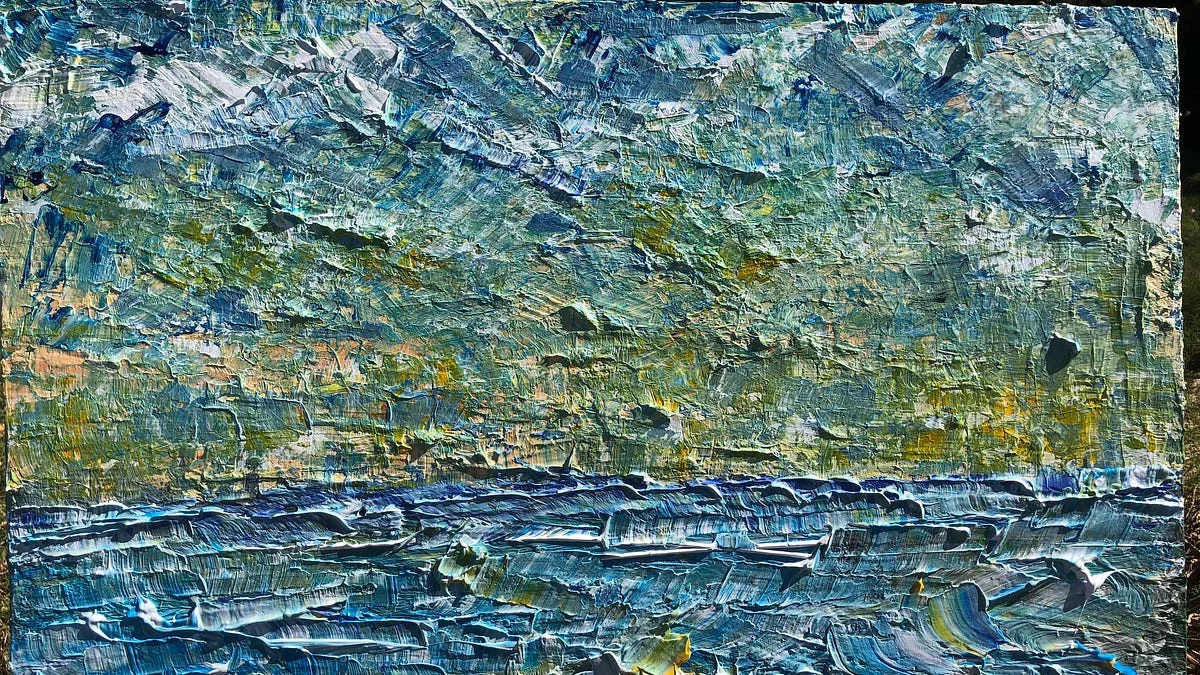
A Counterpoint Life is my term for a balanced, multi‑layered, artful way of living.
"Counterpoint" is a musical term — when you can follow more than one musical idea at the same time, and each one makes sense on its own, but together they create something richer.
At 55, I found myself stepping into an unfamiliar landscape of woman‑ness, newness, without language or a cultural model to understand what I was experiencing.
As a working mom of five (two still school‑age), I wanted to leave my full‑time Artistic Director life — which was exciting and meaningful, but too stressful — and I was aching for an identity and work life that could support and fit the new version of me I could feel wriggling inside.
I was not retiring. That word made me cringe, get oddly pissy and defensive.
I still felt young. I danced easily. I only highlighted a few grey hairs. I had energy. I even still had a six‑year‑old at home.
And yet I couldn't ignore the deeper, uncomfortable truth: I was molting.
I was not the same. The skin that had protected and given me so much identity and strength — my unique NYC, Jewish, loving, overdoing self — had carried me well to this point.
But now I was teetering. Alone.
The advice that didn't help
I tried therapists, coaches, friends — even a psychic. But their advice felt predictable, bland, and ultimately not helpful.
"One true path will emerge."
"Pray, meditate, hold, lean in, let go."
Different words, same message. None of it helped me zero in and define what the real problem was.
Too lucky and blessed to want more. But I did. Couldn't shake it.
Late‑life parenting only widened the gap between my peers and me. I was never the Lululemon mom chatting at pickup. My sense of being outside as a mom only deepened during this transition.
I kept thinking: it's my age, it's hormones, gonna pass. It didn't.
I read constantly to find an answer. I listened to Brené Brown and modern mystical Jewish teachers. I searched for an Eat, Pray, Love for this stage of life — but never found a muse. The closest I came was Anne Lamott:
"Almost everything will work again if you unplug it for a few minutes, including you."
I just needed to unplug myself, my life, for a few minutes. Unplugging didn't work — time alone, beach walking, praying, journal writing didn't show me my north star.
The wrong framework
I began to see that I needed a new framework to understand my adult lifespan. The way I viewed aging and the stages of life was wrong. Obsolete.
My grandparents felt "old" at 60. My mother became a grandmother at 52 and retired early from work she loved — but she had lots of grandchildren to fill that space. I think it distracted her, and me, from seeing how much she gave up.
The traditional three‑part structure of modern life — childhood, work‑family‑building, retirement — was not working for me. Neither was the reinvention model in the way it's often sold. I tried so many versions of full‑time reinvention: nonprofit art work, teaching creativity and personal growth programs online, even teaching high school art. Each attempt felt like a wrecking ball smacking against something I couldn't articulate or envision.
I had crossed a threshold I didn't have a model for.
Counterpoint
Multiple themes, with different ebbs and flows, deeply tied to a healthier life and time for relationships.
I started small. Slowly. With plenty of failures and mildly embarrassing turns.
But over time, I have arrived at something new: a vision for being not 50 anymore — Counterpoint. A way of living where I weave together learning, teaching, and contributing — guided by meaning, not by a single role.
No umbrella brand, no clear US cultural reference, no guru or book or framework helped me name or understand this. Only a musical term worked for me — counterpoint.
In practice, this new vision of adulthood meant making real changes:
- Moving from Berkeley to a nearby, smaller artistic town. Painful to say goodbye to my neighbors and my perfect kitchen.
- Letting go of over‑volunteering at my kids' schools (not hard).
- Releasing friendships that were no longer growing with me (so much guilt, but I did it).
- Encouraging special friends and family to be a part of this new counterpoint‑infused life.
- Work‑wise, finally being able to teach something I had loved all my life: visual art, with adults.
Happiness.
How I live it
We often talk about balance, but here, balance is not about equal time. It's about movement — different expressions coming forward, receding, and resting in relationship to one another. That is what creates my version of a Counterpoint Life: something integrated, rather than scattered.
This life is lived day by day through four simple actions:
Nourish · Learn · Create · Connect
When I practice these consistently, every day, I feel like my whole self is alive and in motion.
But a Counterpoint Life also requires awareness — the ability to notice and let go of opportunities and distractions that mimic meaning but pull the whole out of alignment. As Mary Oliver always reminds us:
"Instructions for living a life: Pay attention. Be astonished. Tell about it."
Would love to have your feedback if you connect to any of this.
Love, Elizabeth
- second act
- encore artist
- life design
Originally published on Beautiful Art Ache on Substack .